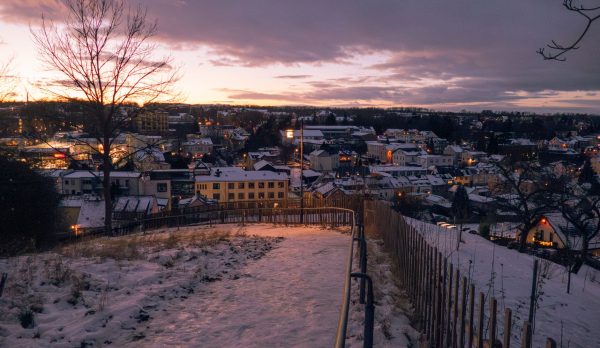
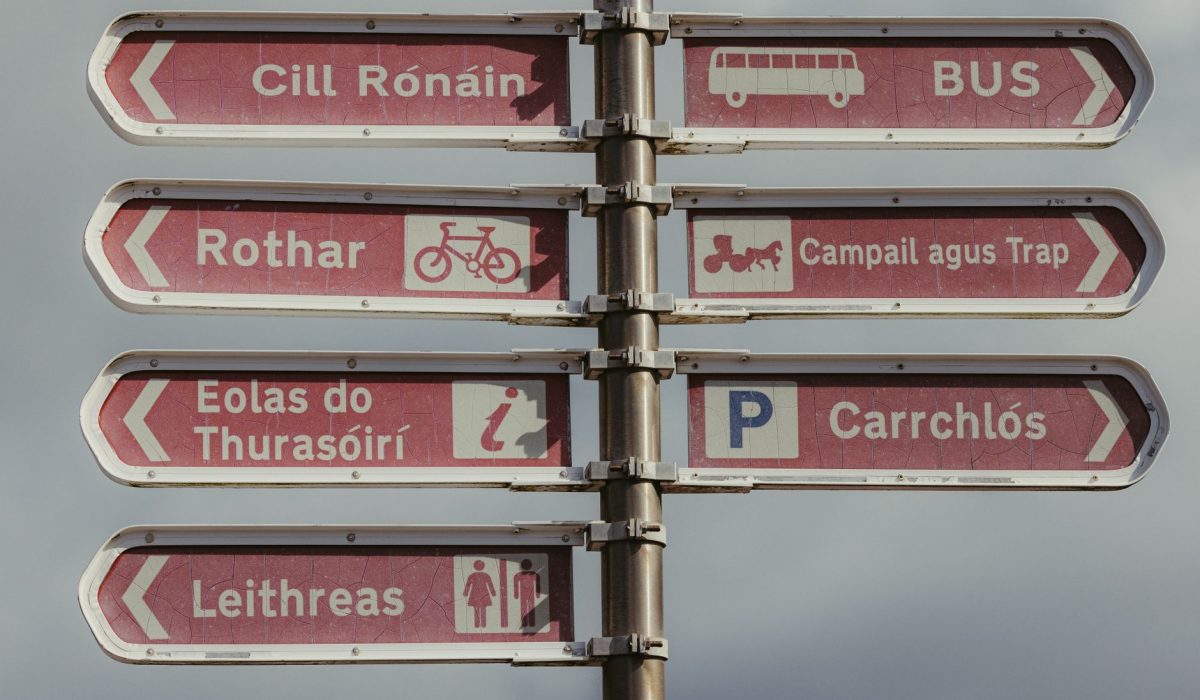
The village has grown by 90% in four years, almost entirely through inward migration from outside Scotland. It also has the longest waiting list for adult Gaelic classes in the islands.
Both of those facts are the subject of the same conversation, and it is not the conversation people expect.
The good part
Sixty new residents have enrolled in classes since 2023. Several attend twice a week. The community choir has doubled. A new arrival from Hampshire now leads the conversation group on Thursdays and is, by common agreement, better at the grammar than most people born there.
“They are trying,” the development officer says. “Nobody could say they are not trying. It would be ungracious and it would be untrue.”
The harder part
The concern is not enthusiasm. It is the difference between a language learned and a language used.
Gaelic survives, where it survives, in incidental everyday exchange — at the counter, on the pier, in the ten seconds of conversation nobody plans. That register requires enough fluent speakers in one place that it is simply the easier option. Below that density, everyone defaults to English out of politeness, and the classes fill while the shop goes quiet.
“A language is not a museum piece. It is people talking to each other in a shop. You can have four hundred learners and still lose it, if nobody uses it to buy milk.”
The village’s Gaelic development officer
The village
- Population growth since 2022: 90%
- Adult learners enrolled since 2023: 60
- Fluent daily speakers: down by 9 over the same period, through death and relocation
- Waiting list for classes: the longest in the islands
- Gaelic-medium places at the school: unchanged since 2011
What would help
The officer’s list is short and unromantic: more Gaelic-medium school places, housing that lets young fluent speakers stay in the village rather than leave at eighteen, and paid work that does not require moving to the mainland.
“Every language policy I have read is about teaching,” she says. “The thing that decides it is housing. It has always been housing.”