
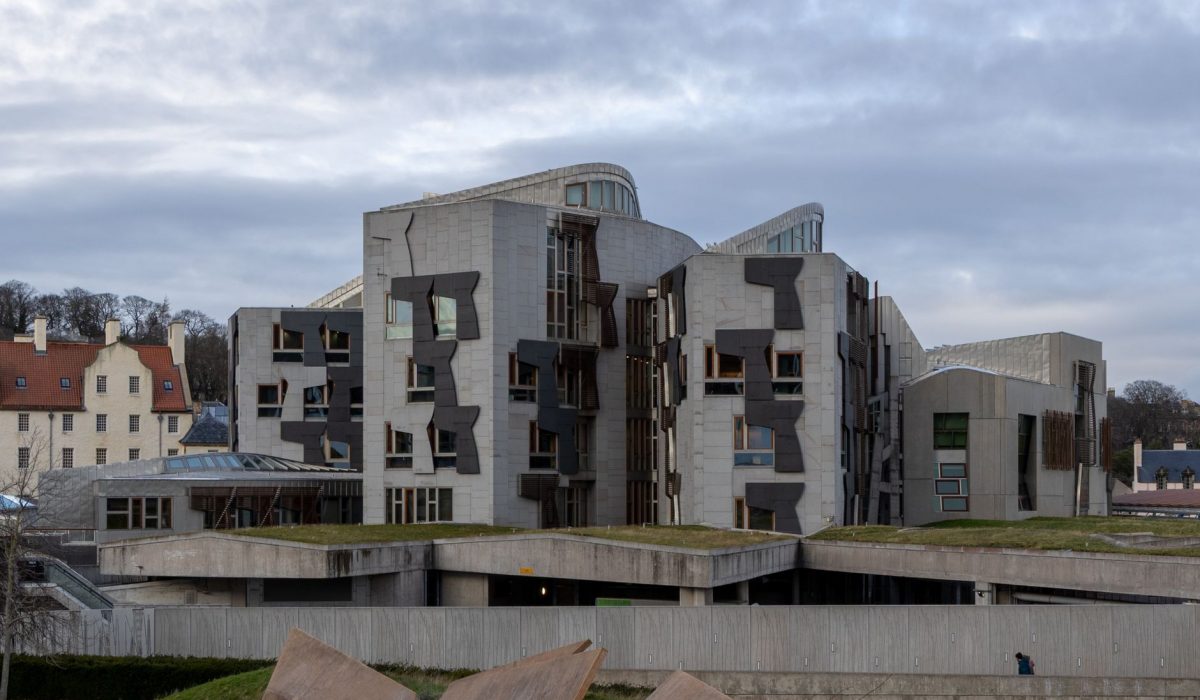
A members’ bill introducing a residency requirement for residential property purchases in designated pressured areas has been debated at stage one.
The proposal would allow ministers to designate areas where the ratio of occasional-use dwellings to permanent homes exceeds a set threshold. Within a designated area, purchases would be restricted to buyers who have lived or worked there for a qualifying period, with exemptions for inheritance, key workers and new-build.
The case for
Supporters cite Jersey, Guernsey and a number of Alpine cantons, all of which operate some version of this and none of which are regarded as fringe jurisdictions. They argue that the market has stopped functioning as a housing market in the affected areas and has become a store of value, and that a market which no longer houses people has stopped being one.
“We accept restrictions on what you can do with land all the time. You cannot build what you like, fell what you like or discharge what you like. This is a smaller intervention than a planning committee makes on a Tuesday.”
The member introducing the bill
The case against
Opponents raised three objections, and they are not trivial.
The first is enforcement: qualifying periods invite gaming through short leases, company structures and relatives. The second is the effect on existing owners, whose properties would become sellable to a much smaller pool, with the loss falling on people who bought in good faith and are frequently not wealthy. The third is that the bill treats a supply problem as a demand problem, and that eleven communities need houses built more than they need buyers excluded.
The bill at stage one
- Applies to: designated pressured areas, not nationally
- Trigger: a set ratio of occasional-use to permanent dwellings
- Qualifying period proposed: two years living or working in the area
- Exemptions: inheritance, key workers, new-build
- Comparable regimes cited: Jersey, Guernsey, several Swiss cantons
Where it goes
The committee has not reached a settled view. Two members who opposed a similar proposal in 2023 indicated they would support this one to stage two, citing what one described as “three years of watching the alternative”.
Whatever happens to the bill, the significant fact is the shift in the room. A proposal that was unthinkable in this parliament two sessions ago is now a live committee question, and nobody in the chamber pretended otherwise.