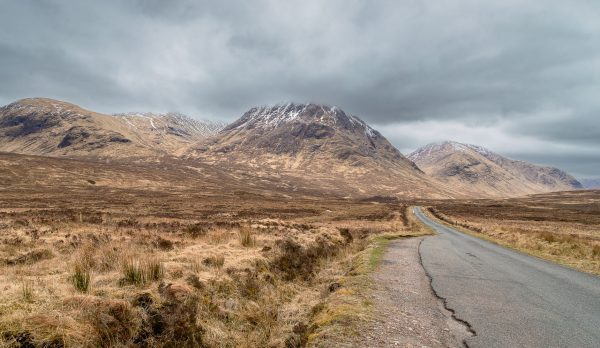
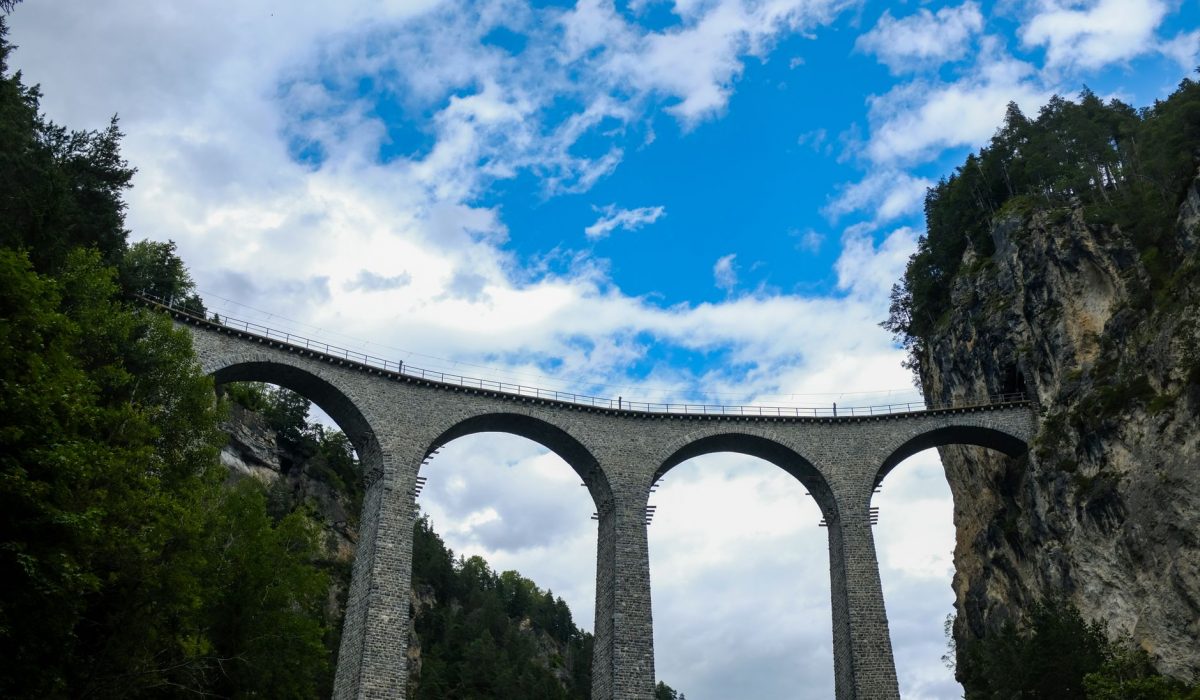
The A83 at the Rest and Be Thankful would be replaced by a nine-kilometre viaduct crossing Glen Croe at a height of 340 metres, under a proposal published this week.
The existing route has been closed repeatedly by landslides from the hillside above it, at a cumulative cost to Argyll businesses that is genuinely serious and has been documented for more than a decade. Every proposed solution — catch pits, netting, a debris flow shelter, the old military road as a diversion — has been a variation on managing the hillside.
This proposal does not manage the hillside. It goes over the top of it.
Above the weather
At 340 metres, the deck sits above the point where debris from the slope above would reach it. It also sits, for a substantial part of the year, inside cloud.
Meteorological analysis submitted with the proposal indicates the deck would be in cloud for an estimated 190 days annually, with visibility below 50 metres on 74 of them. The design response is a dedicated weather station, variable speed limits, and what the documents refer to as “a closure protocol”.
“We have replaced a road that closes because of landslides with a road that closes because of fog. I want to be clear that this is still an improvement. It is just not the improvement anyone pictured.”
A structural engineer who reviewed the proposal
The name
A secondary consultation has been opened on whether the name Rest and Be Thankful should transfer to the new structure.
The name comes from a stone placed at the summit of the old military road in the 18th century, marking the point where the climb ended. The viaduct has no climb, no summit and no stone. Officials have proposed retaining the name “for continuity of place identity”.
Local opinion has been mixed, though one submission to the consultation has been widely circulated. It reads, in full: “Rest and Be Thankful is a thing you say after going up a hill. If there is no hill, what are we thankful for.”
The proposal
- Length: 9km
- Maximum deck height: 340m
- Days per year in cloud: approximately 190
- Estimated cost: £7.1bn
- Years the current problem has been under review: 19
A decision is expected in 2029, at which point the review will have been running for twenty-two years.