This section has spent a fortnight on owls hunting at midday, otters working at night, ptarmigan that no longer fly and a raven that waited nine hours beside a hatchback.
It is worth finishing with the other column, because it is not empty and it is more informative than the losers.
The winners
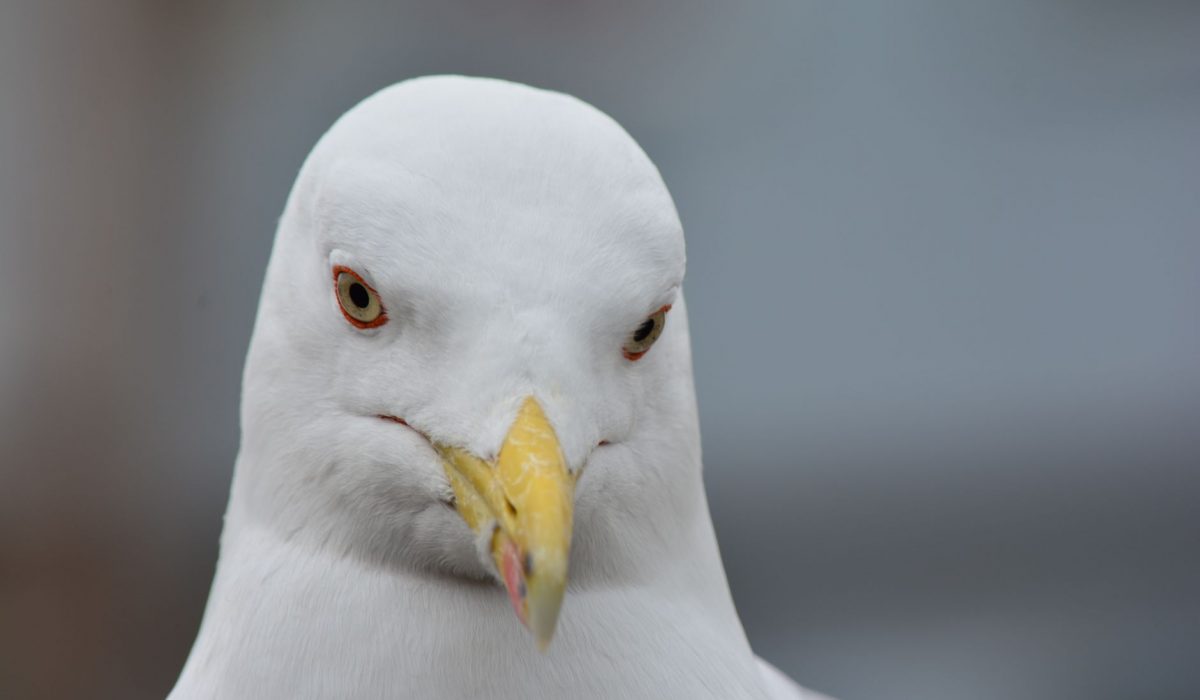
Jackdaws and hooded crows. Both up substantially at every monitored site. Generalist, bold, omnivorous, and entirely capable of exploiting a bin, a picnic table or a stationary vehicle.
Nettles, docks and a specific ruderal community. Anywhere with high nitrogen input and regular trampling now supports a distinctive plant assemblage. It is not what was there before. It is, botanically, doing extremely well.
One rare plant. A small arctic-alpine has increased at two Cairngorm sites, apparently because trampling suppresses the taller vegetation that normally outcompetes it. Nobody is recommending trampling. It is simply true.
Foxes, badgers and rats. As everywhere, in every country, forever.
What they have in common
Every winner on that list is a generalist. Every species in the rest of this series — the ptarmigan, the eagle, the marten, the moth — is a specialist.
That is the whole pattern, and it is not unique to Scotland. Pressure of this kind does not empty a landscape. It sorts it. The things that can eat anything and live anywhere increase, the things that need one habitat and one food supply decline, and the total number of species goes down while the total number of animals may not.
“You end up with more wildlife and less nature. Every car park in Europe has birds in it. They are the same eight birds.”
An ecologist who has surveyed the same sites since 1994
The thing worth saying at the end
Adaptation is not the same as thriving, and it should not be reported as though it were.
An owl hunting at one in the afternoon is a remarkable animal solving a problem, and it is also an animal that has had its nights taken away and is raising fewer chicks. Both facts are true and the second one is the story.
Things that cost nothing and work
- Take food waste home — this is most of it, honestly
- Stay on the path, particularly above 800 metres
- Leave the dark alone — no unnecessary lights, no head torch on the treeline
- Do not feed anything, however well it is going
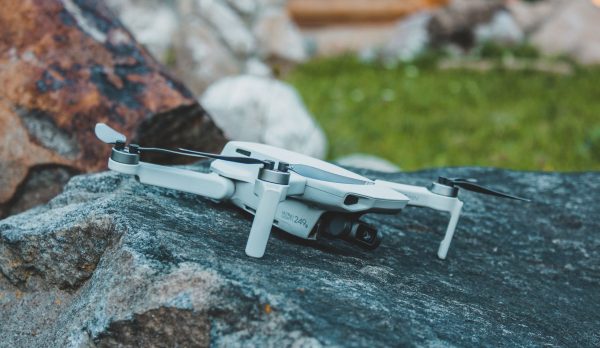
- Do not fly a drone at a cliff between March and August
- Go somewhere else — the second-best viewpoint is nearly as good and has a quarter of the midges