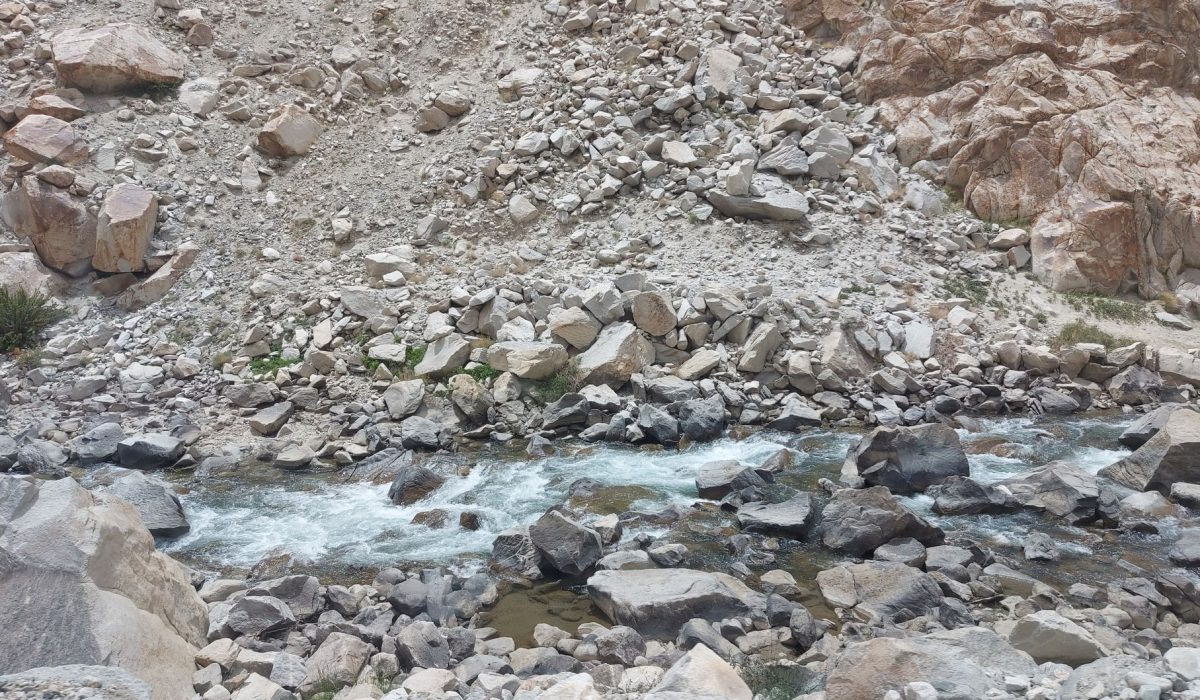
Flows in one west coast river fell 40cm below the seasonal average during August, exposing salmon redds in the lower pools for nine consecutive days.
Rainfall for the month was slightly below average but within normal variation. The shortfall is largely accounted for by abstraction.
The licences
Seventeen abstraction licences operate on the catchment. The largest four were granted between 1981 and 1996 and were set against domestic demand from a resident population of around ninety, with headroom considered generous at the time.
The catchment now contains approximately 4,000 visitor bed-spaces. The licences have not been revised, because nothing triggers a revision: each individual conversion sat well below the threshold requiring reassessment, and there are four hundred of them.
“Nobody exceeded a licence. Every abstraction on that river was lawful on the day it was taken. The river does not deal in licences, it deals in litres, and the litres are not there.”
A fisheries biologist on the catchment
What it does to the fish
Atlantic salmon in Scottish rivers are already at their lowest recorded levels. Low flows raise water temperature, reduce dissolved oxygen, block upstream movement at shallow points, and expose redds, which kills the eggs in them.
The trust estimates the loss on this catchment at a full year class in the lower river.
The catchment
- Flow deficit in August: 40cm below seasonal average
- Redds exposed: 9 consecutive days
- Abstraction licences: 17
- Largest four granted: 1981–1996, for a population of ~90
- Bed-spaces in the catchment now: ~4,000
- Licence reviews triggered by the change: 0
What is being asked for
The same thing as with the springs, from the other end of the pipe: make catchment flow a material consideration in change-of-use applications, and require licence review when the sleeping capacity in a catchment rises above a set threshold.
It is on a list. The list is with a directorate.